Rek Your Cheque: The good, bad and ugly of the budget speech
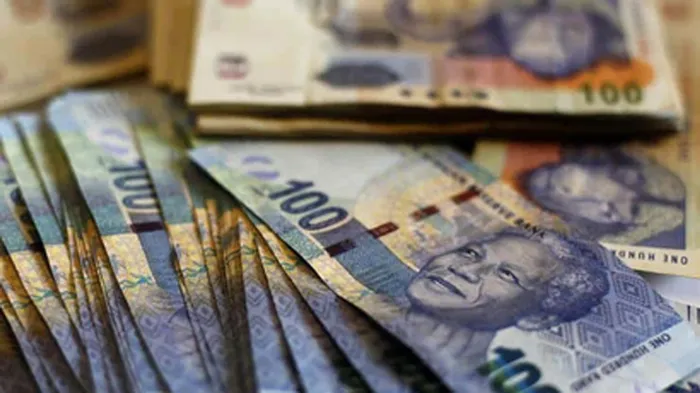
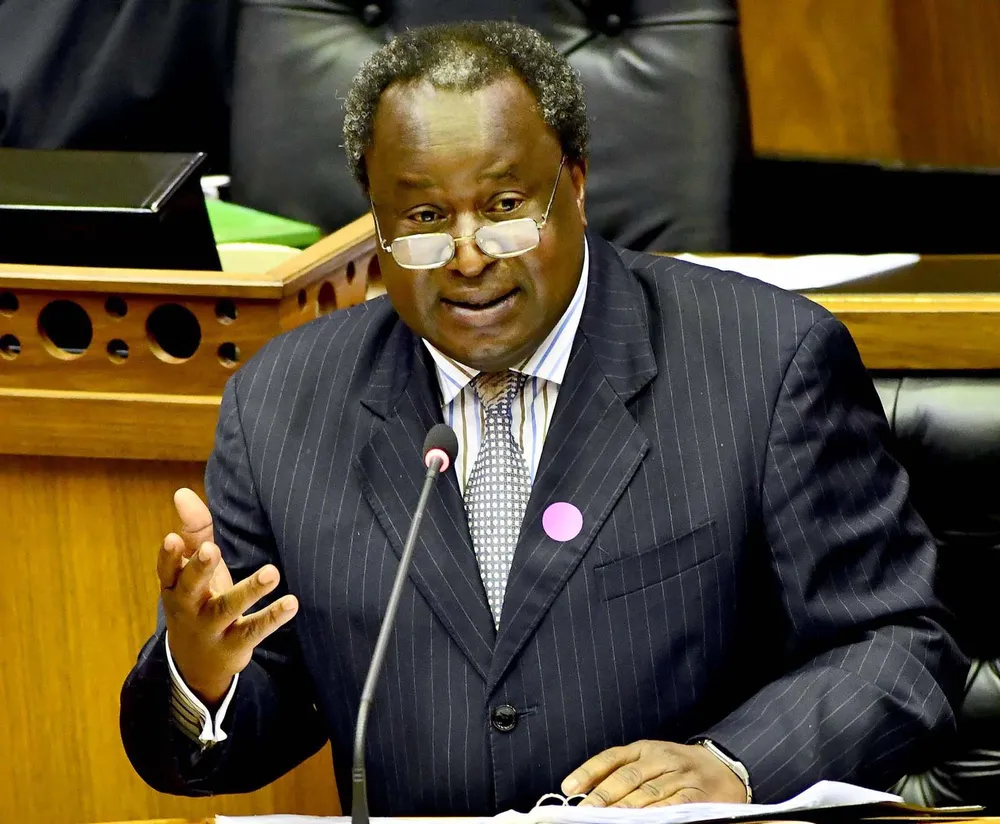
The government’s Medium Term Budget Policy Statement (MTBPS) was presented by Finance Minister Tito Mboweni on Wednesday 28 October 2020 – and it wasn’t pretty!
People, South Africa is in trouble! The country is currently borrowing at a rate of R2.1 billion a day. Dit gaan woes!
Some might think that the MTBPS isn’t important to the ordinary man in the street – they couldn’t be more wrong
The MTBPS is basically government’s plan for the financial future of the country – and our future does not look bright.
Here are some key take-outs from the budget:
THE GOOD
- The minister proposed consolidated spending of R6.2 trillion over the 2021 Medium Term Expenditure Framework, of which R1.2tn goes to learning and culture, R978bn to social development and R724 bn to health.
- Subsidies of R2.2bn will support the Social Housing Programme aimed at poor, working South Africans. A further R6.7bn has been contractually committed to this programme. Government expects the total investment from this programme to be R20bn over the next 10 years.
- The Student Housing Programme worth an estimated R96bn is under way. It will service nearly 300 000 students a year when complete.
- R200bn for the credit guarantee scheme
- R1bn in food relief
- R30bn to go to health and frontline services
- R50bn support for vulnerable households
- R40bn wage protection through UIF
- R100bn for job creation initiatives
- R20bn to municipalities to fight Covid-19
- R70bn for emergency tax measures
- R350 Social Relief from Distress grant extended till end January 2021
Please excuse me if I don’t jump up and down on these promises made. I will rather wait to see them correctly implemented and filtering down to my community.
THE BAD
- Prior to the pandemic hitting SA, the country was facing a debt to GDP ratio of 63.3% – but it is now expected to increase to 81.8%
- If government does nothing to slow down rising debt levels – we could go over 100% of GDP by 2023/4
- Government is currently borrowing R2.1bn a day. That means that around 21c out over every rand that government earns now goes towards paying interest on government debt.
- The economy is expected to contract by 7.8% in 2020 due to the Covid-19 pandemic. This is worse than the 7.2% projected in June.
- Compared to the 2008 global financial crisis, SA is in a far worse position now. We are facing our worst recession in 90 years due to the effects of Covid-19 and lockdown.
- The rand was largely weaker on Wednesday after the MTBPS. A weaker rand often leads to an increase in the price of goods that ordinary consumers need every day.
THE UGLY
Government once again “bailed out” SAA with R10.5bn, what does this mean for SA and where did the money come from if we don’t have money?
The SAA R10.5bn will mainly come through reductions of the baselines of national departments and their public entities, and provincial and local government conditional grants.
This essentially means that the already struggling public are having important services like police (R1.2bn) higher education (R1.1bn) and health (R695m) massively affected – to fund SAA.
So at the end of the day, it is once again ordinary South Africans who will suffer a lack of services because of ailing state owned enterprises.
And finally… THE BIZARRE
Where government says the R500bn Covid relief went:
In April this year, government announced a major fiscal relief package of around R500bn or 10% of GDP. This is how Minister Tito Mboweni said it was spent:
- More than R30bn for health and other frontline services
- Support vulnerable households which is now in excess of R50bn
- More than R40bn for wage protection through the UIF
- Around R100bn for job creation initiatives, which will now be spread over the MTEF
- R200bn for a credit guarantee scheme
- R20bn towards municipalities to assist them with Covid-19 related activities
- R70bn towards emergency tax measures
As a tax-paying South African citizen, I definitely would have loved more detail and proof of the above – as I specifically remember huge fraud involved with tenders around this money, and even dead people getting money from the TERS fund!
So what does this mean for ordinary South Africans?
Everything points to the fact that it will take us the best part of five years to get back to the 2019 levels of economic activity – and that should scare us into getting our finances into order.
We need to:
- Get rid of our debt
- Stop unnecessary spending
- Start saving
- Draw up a budget and stick to it
- Support our local businesses
- Get a side hustle
South Africa is in trouble. The struggle is real. We need to get our personal finances in order.
*Moeshfieka Botha is Head of Research and Consumer Education at National Debt Advisors. For more information on debt and personal finance go to www.nationaldebtadvisors.co.za