Rek Your Cheque: Don’t be fooled by Black Friday
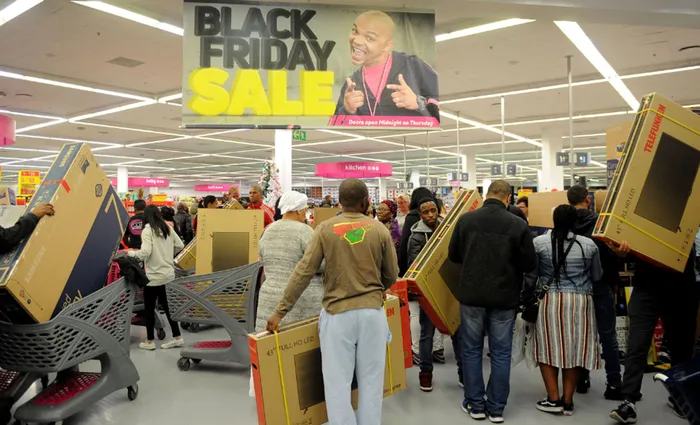
BE WISE: Decide in advance how much you can spend on Black Friday. Picture: Ayanda Ndamane/African news agency (ANA)
Almost nothing about 2020 has been normal. Nearly everything in 2020 has been different.
Yet, my advice around Black Friday shopping remains the same – specifically because of all the upheaval we have experienced this year.
Lockdown hit our pockets hard! Jobs were lost and incomes were affected. We were definitely unprepared for Covid-19 and its financial consequences.
Most people are still recovering from hard lockdown. So, it makes sense to go and spend money on Black Friday items only if you really need it.
People, if ever there was a year in which to get our priorities straight – then it is this year!
We can’t go out buying our children name-brand takkies and jeans, but their school fees are not paid.
We should not be getting expensive cellphones on huge monthly contracts, but then we run short and have to borrow money for electricity.
I am a parent, too. I know the pressure of feeling the need to give my children what they want, but we have to communicate with our children and as a family, make peace with the fact that this year is about needs and not wants.
I am not telling you to not spend money or not to buy things. If you have the extra cash, then by all means go for it!
My concern is that retailers use Black Friday specials and expert marketing to lure us into buying things we don’t need, in a time when we can least afford to be doing so.

Here are some Black Friday shopping tips:
- Decide in advance how much you are able to spend on Black Friday specials and stick to that amount when it comes around.
- Work backwards from this amount. Make a list of those you wish to buy (holiday) gifts for and determine how much you can spend on each person. I am positive that family and friends will understand you scaling down on gifts this year, as most of them will probably be doing the same.
- Black Friday is not only for luxury items. Look around for essential items (like food and toiletries) that you can save money on, especially when buying in bulk. Add them to your list and include in your budget.
- On the day, if you add a purchase/top-up amount to your list, make sure that something comes off your list. But stick to your plan and your budget.
- Avoid impulse buys of items not on your list.
- Start checking prices for identified products ahead of time so that you are sure that you are really getting a bargain when Black Friday comes around. Do not be fooled by retailers with “WAS” and “NOW” advertising.
- If you start planning early enough, it will obviously be better to save cash for your Black Friday purchases as opposed to maxing out a credit card or taking out a personal loan to accommodate your Black Friday spend.
- Start looking for stores and online shopping platforms that use the rewards system of your debit/ credit/ store cards.
- When buying on your credit card or using funds from an overdraft or personal loan, take the interest rate and repayment amounts into account. Weigh it up against the “saving” you are getting on an item. Buying an item on your credit card or from a personal loan usually makes the item more expensive than the original price, because of the high interest rates on credit cards and personal loans.
Things don’t look good in South Africa, so we do need to spend to stimulate the economy, but we should not be doing this at the expense of our financial well-being.
Whether you are under debt review or not, consider taking any additional cash that you may have and put it towards your debt repayments. In these turbulent, uncertain times, the quicker you eradicate your debt, the better.
Even if it is only a small amount, try and save for a rainy day. If 2020 has shown us anything, it is that life is unpredictable.
Times are tough and the struggle is real. Now is not the time to shop for luxuries if you can’t afford your necessities. Bread before brands!
The rule is simple: if you didn’t need it before it went on sale, you don’t need it when it goes on sale.
*Moeshfieka Botha is Head of Research and Consumer Education at National Debt Advisors. For more information on debt and personal finance go to www.nationaldebtadvisors.co.za