Rek Your Cheque: Avoid drama after death
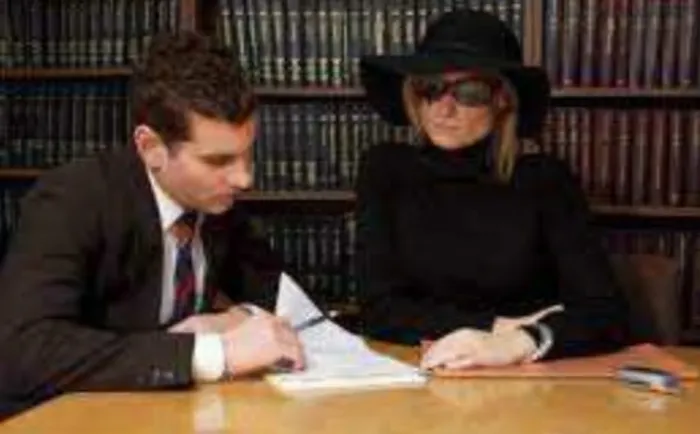
COUNSEL: It is recommended to appoint the attorney as executor
When we lose a loved one, we normally feel an overwhelming array of emotions – and we often want to be surrounded by our families and loved ones.
Sadly, in some families this period of collective grieving and bonding doesn’t last long, especially when there is a deceased estate involved.
Money and property left behind when someone dies tears families apart – mainly because the departed person has not properly prepared for what happens after their death.
Let’s have a look at the main features of the administration of a deceased estate.
According to Fazloodien Abrahams, Director at Steenkamp Abrahams Inc., it is advisable to consult an attorney to draw up your will and it is recommended that your attorney be nominated as the executor of your estate in your will.
I posed some frequently asked questions around the topic of wills and estates to Fazloodien and he answered:
What will happen to my estate after I die?
If you die without a valid will, your family might suffer inconvenience and even severe hardship. Your estate will devolve in accordance with the Intestate Succession Act, and may devolve in favour of the surviving spouse or the surviving spouse and the children of the deceased and the grandchildren (where a child has predeceased the deceased living children).
A greater concern is when after the death of the first parent, the surviving spouse gets married to someone else, and the subsequent surviving spouse could end up inheriting the entire estate – and the children of the first dying parent would not inherit anything. Sadly, this does happen and can end up ripping families apart.
How does the administration of the deceased estate start?
Within 14 days from date of death of a person, it must be reported to the Master of the High Court. The Master appoints an executor by issuing a Letter of Executorship (if the deceased’s assets have a gross value of more than R250 000) or a Letter of Authority (if the deceased’s assets have a gross value of less than R250 000).
What is the executor’s role?
The executor is required to collect the assets, settle the liabilities, pay any legacies, and distribute the balance of the estate to the heirs. The heirs may enter into a Redistribution Agreement subject to the approval and acceptance of the Master of the High Court. Heirs may find themselves competing for the same assets in the estate. It is therefore recommended that proper estate planning with an attorney is discussed prior to your death.
What takes place in relation to the estate account?
After the Letter of Executorship has been issued, the Executor places an advert calling on all persons having claims against the estate to lodge the claims with the Executor within 30 days from the date of the advert. Thereafter, within six months, the Executor is obliged to submit an account of the liquidation and distribution of the estate (commonly referred to as the L&D account) to the Master.
Thereafter the Master will authorise the executor to advertise the L&D account to lie for inspection at the Office of the Master and at the office of the Magistrate Court for not less than 21 days, for inspection by any person interested in that estate. Once the inspection period has passed, the Master will notify the Executor that he/she can pay the creditors and distribute the estate in accordance with the account.
What about VAT, capital gains, income tax and estate duty?
The Executor will ascertain whether the estate is liable for value added tax (VAT) and/or income tax.
Estate duty is currently charged on the dutiable amount of the estate at a flat rate of 20%. The dutiable amount is calculated by deducting 3.5 million primary abatement from the “nett value of the estate”.
This is a specialised exercise and could have an influence on the amount of the inheritance available to heirs. It is therefore of great importance to discuss the options with your Attorney.
Does an heir have a choice?
Any beneficiary is entitled to reject an inheritance. However, this has consequences – specifically dependant on the set of circumstances. It is therefore important to discuss any election by heirs with an attorney before your death.
All of the above may sound extremely confusing and very intimidating, but one thing is clear: to avoid ugliness and drama after your demise, sort out your will and your estate whilst you are still alive!
For more information and any other legal questions you may have, visit www.sa-inc.co.za or www.fazlaw.co.za.