Rather be safe than ever sorry
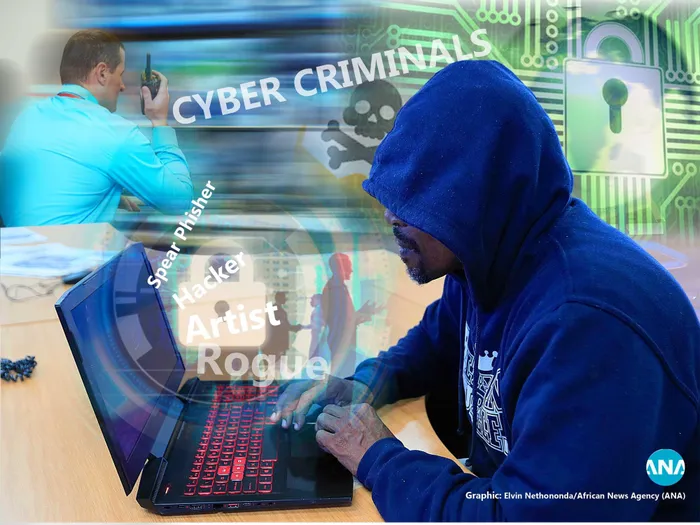
As if 2020 has not thrown us enough curveballs, the information and personal details of around 24 million South African consumers and nearly 800 000 businesses have been stolen by a suspected fraudster from Experian, one of the country’s largest credit bureaus.
This means that consumers now need to be even more vigilant when it comes to their accounts, pin numbers and personal information as criminals could use the details they obtained from the credit bureau to impersonate you, or use your personal data to trick you into giving them even more information.
Banks have recommended that people change their online banking passwords and even your social media passwords.
People are advised to rather be safe than sorry.
Now, if you didn’t know, credit bureaus collect credit information about consumers from banks, retailers, and other parties.
Banks are by law required to share your data with all major credit bureaus in the country, so even if you have not personally had any details with Experian, you might be compromised.
According to the South African Banking Risk Information Centre (Sabric), the first thing you should do if you start noticing funny things on your accounts and suspect that your information has been compromised, is to contact the Southern African Fraud Prevention Service (SAFPS).
When you do this, SAFPS members, which includes credit providers and banks, are alerted.
They will then take extra care in making sure they are dealing with you, and not a fraudster. You can contact SAFPS at http://[email protected]
Sadly, this breach means that unauthorised persons have access to the names, identity numbers, telephone numbers, email addresses, and the physical addresses of unsuspecting consumers.
Various banks have issued statements about what you should do now.
Nedbank claims that your bank accounts are not at risk - but criminals can still use this information to impersonate you, or scam you into giving them access to your accounts.
Nedbank urged its customers to take the following steps:
* Never share your passwords or PIN with anyone.
* Never disclose your personal information to anyone who calls you, emails you, or SMSes you.
* Remember, Nedbank will never contact you asking for this information.
* Contact Nedbank immediately should you suspect unauthorised use of your personal information.
Standard Bank has recommended that their clients do the following:
* Change banking passwords on their digital banking platforms and social media passwords.
* Register for DigiMe on the Standard Bank App Register for MyUpdates (free Standard bank SMS service) to be notified of all transactions over R100 on your accounts.
* Contact the bank or your relationship manager immediately if you suspect your bank accounts or cards have been compromised.
* Do not share your personal details, banking details or one-time pin with anyone.
* Register with SAFPS for protective registration - so that if anyone tries to apply for banking products with your ID, it will be declined or referred for further review.
Absa says it is contacting affected customers.
The bank says to contact them immediately on their Fraud Hotline (0860 557 557) should you notice any suspicious behaviour on our accounts or if you’re in doubt.
Criminals are likely to approach you via email, phone, or text message and present themselves as members of a reputable organisation.
“They will attempt to deceive unsuspecting consumers into disclosing their ‘keys to the safe’ (online PIN, online passwords, card PIN, card CVV number, OTP, and/or authentication messages - RVN/TVN/SureCheck).”
Capitec has commented that while the information cannot be used to access your banking profile, fraudsters may attempt to use it for phishing, where they contact you posing as your bank or another institution in an attempt to trick you into sharing further personal information.
“Your bank will never contact you to request information such as your banking pin or account number,” Capitec said.
First National Bank (FNB) says it’s also reaching out to customers who may have been affected and is working with Sabric, the Banking Association of South Africa (BASA), law enforcement and regulatory authorities “to mitigate any potential risks on our customers as a result of the incident.”
FNB advises their customers as follows:
* It is vitally important that you never give your Online Banking username and/or password to anyone.
* Never give your one-time PIN (OTP) to anyone.
Never click on links in emails claiming to be from FNB.
* Never save your passwords to your browsers.
All I can say is that people are already suffering financially, and it would be a tragedy if they were now also victims of cyber skelms.
Be vigilant and look out for strange transactions and notifications on your accounts.
Rather safe than sorry!
*Moeshfieka Botha is Head of Research and Consumer Education at National Debt Advisors.
For more debt and personal finance information visit www.nationaldebtadvisors.co.za