Making skuld on your skuld: Don’t use your credit card to buy your groceries
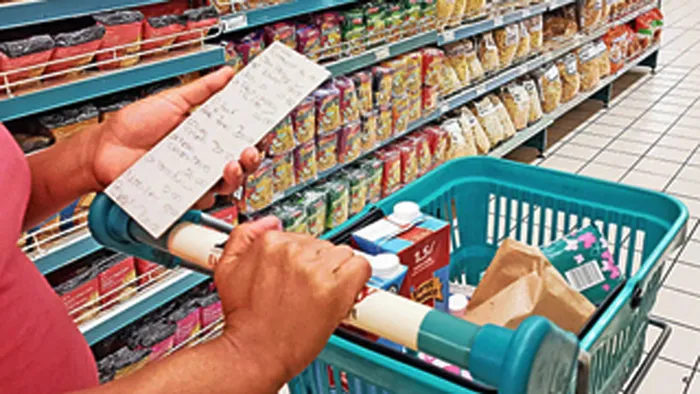
SUKKELING: Grocery prices in 2021 are off the charts
If you feel like every time you go to the shop you get less and less for your money – you’re right!
The rand was launched in 1961 and ever since then, we have been getting less and less value for our money.
Research by Stats SA shows that when comparing the cost of living, the same basket of goods and services that you could get in 1961 for R100, cost nearly R9700 at the end of 2020.
That means that consumer prices increased by almost 97 times. That’s no joke!
Prices of goods
1961 vs 2021
- 15kg mielie meal 90c, R49.27
- 1 loaf of white bread 9c, R15.21 (700g)
- 1kg fresh chicken 70c, R40/kg (approx.)
- 1kg apples 23c, R15.76
- 1kg tomato 20c, R20.74
- 340g tin corned beef 29c, R27.21(300g)
- 570ml beer 16c, R14.56 (330ml lager)
- Pack of cigarettes 19c, R43
If going back to the 60s is taking it too far back, then let’s look at some price comparisons from the eighties.
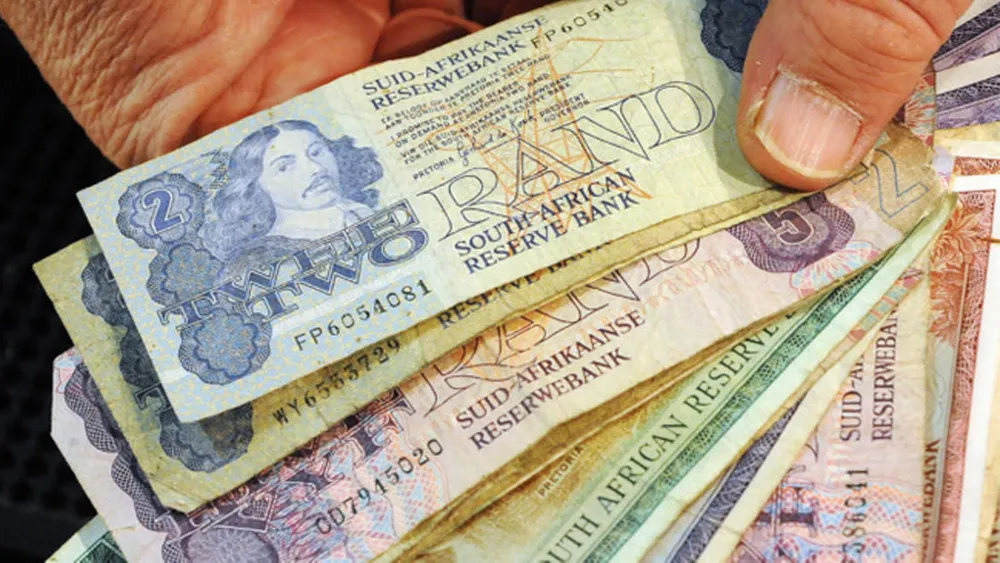
Prices in the 80s vs 2021
- Buns per doz. R2.40, R15.99
- Milk 2 litre R1.72, R24.99
- Lamb chops R6.69 /kg, R191.67 /kg
- Toothpaste R1.09, R12.99
- Pasta R0.99, R10.99
- Rice 2 kg R1,19, R29,99
- Dog food R8.69 per 8 kg , R123
- Whiskey R19.99, R288.99
- Simba chips (large) R0.99 R14.99
- Sta-soft R1.99, R44.99
- Kellogg’s Cornflakes R1.49, R38.99
- Mushrooms 250g R1.19, R21.99
- Cheese R5.99 /kg, R117.95/kg
Sadly for South Africans, the country’s unemployment rate is at an all time high and with millions of people relying on social grants, the situation seems dire.
Those who do have jobs or some form of income are not faring much better.
Stats show that the finances of 4 out of 5 South African households were negatively affected by Covid-19 and the lockdown last year, and 2021 does not seem to be much kinder to us.
Sebastien Alexanderson, CEO of National Debt Advisors, says there is no quick fix solution and using your credit cards is not the answer.
“There is no miracle recovery to the financial carnage which Covid has wreaked all over the world.
“The best thing everyone can do, is to take control of their financial situation and get rid of their existing debt, before incurring new debt.
“Sadly, due to stress and panic, many people have turned to high interest loans and credit cards in the hope that it will alleviate their financial distress, but this is just a short term solution, which actually aggravates the problem.”
Research done at National Debt Advisors shows that as tough as times are, many people are keeping up with their credit card payments.
They are doing this so that they may use their credit card to pay for every day necessities. That’s never a good position to be in.
Maxing out your credit card and making only the minimum required payment could also potentially damage your credit score.
To see a positive uptick in your credit score, you should be spending no more than 75% of your limit and repay it in full every month.
According to Old Mutual, if you don’t pay off your credit card in full every month, you will be charged interest on the balance.
Usually the annual percentage rate is between 15 and 20%, but credit card interest is actually calculated on a daily basis and then compounded every month.
What that means is that you will be charged interest on interest if you allow it to roll over from month to the next.
Therefore you should always aim to pay off your credit card in full every month.
Credit cards tend to come with a whole list of potential fees.
- Initiation fee: Many, but not all credit cards involve an initial once-off fee when the account is opened.
- Monthly account fee: This is a recurring fee that you need to pay in order to use your credit card every month.
- Credit facility fee: Some banks add this to the monthly account fee, saying that it covers the administration and management of the credit facility specifically.
- Reward programme fees: Lenders will sell you on the incredible rewards offered by their credit cards, but often you actually pay for this facility, usually in the form of a yearly fee.
- International transaction fees: Credit cards can be used overseas and offer an easy cashless option for travel.
However, international transaction fees will apply, and these can be quite hefty. Ensure you know what these fees are.
There can also be additional fees for late payments, withdrawing cash, balance transfers and going over the credit limit, so it’s a good idea to find out exactly what these are for your specific card.
Paying interest on top of interest to buy daily bread and milk at the supermarket is never a good thing.
Along with unsecured loans, credit cards are the most expensive form of debt.
If possible, try and settle your balance in full as soon as you can, and if you see that you can get along without using your credit card, do yourself a favour and physically cut it up.
Do not let your credit card become your financial crutch.