Female sexual predators
What do the experts say?
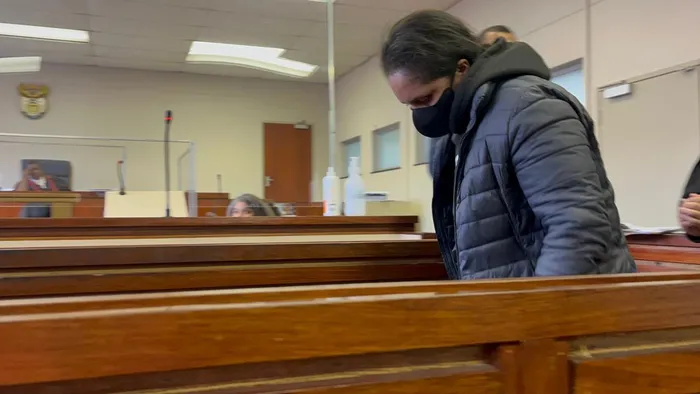
ACCUSED: Former Harvester Primary School teacher
Image: Kim Swartz
THE case involving a Grade R teacher at Harvester Primary, accused of sending explicit videos to a Grade 7 learner, has brought renewed attention to the often-overlooked issue of female-perpetrated sexual abuse.
Clinical Psychologist Dr Gérard Labuschagne explained that such crimes are underreported, especially when the offender is female.
Labuschagne said: “Like many sex crimes we don’t know the true reporting stats, but also for female offenders I think society sees them differently compared to male sex offenders which contributes to less reporting compared to males.”
He added that female-perpetrated violent and sexual crime is less common overall.
Labuschagne cited a study of 12 female sex offenders, finding most were young mothers with troubled pasts, often with histories of abuse and mental illness, including depression, anxiety, and substance misuse.
He said many had personality disorders and complex motivations - some acted to please partners, others out of jealousy, revenge, or a need for emotional control.
Some displayed deviant sexual interest, contradicting the stereotype of women as passive or coerced participants.
While a small number were pressured by partners, this was not the norm.
Clinical Psychologist Ivan De Klerk echoed Labuschagne’s views, stating that female offenders are more commonly accomplices rather than primary perpetrators, and such cases are easily overlooked.
He emphasised: “This is an uncommon occurrence,” adding that boys are even less likely to report abuse by women due to stigma.
He urged society to “keep an open mind. The world is changing. React to any abuse the same: with care and a lot of validation for the victims”.
Celeste Louw of TEARS highlighted the psychological harm inflicted when the abuser is an authority figure, saying: “Children are taught to trust and obey authority figures, and so this kind of abuse disrupts a child’s ability to understand safe boundaries. When the abuser is a woman, especially a caregiver, the confusion and betrayal are intensified.”
The TEARS Foundation’s “Speak Up” programme provides discreet, free support and reporting tools to help young people navigate these sensitive issues. Support is available 24/7 via their toll-free line.