SAFE HOUSE
Outsmart rental scammers with these helpful tips
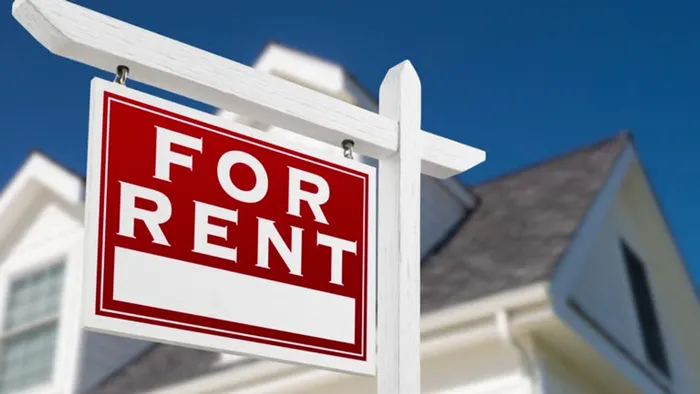
DON'T BE TAKEN IN: Rental scams
Image: File
Many South Africans don’t own homes and have to rent properties to live in.
Often, this is because of affordability or the inability to get a home loan due to a bad credit record.
Sometimes, people consciously choose to rent over buying.
Whatever the reason, no prospective tenant can afford to be scammed. And sadly, this seems to be happening more often these days.
Conmen pose as legitimate landlords and prey on potential tenants’ enthusiasm and desperation.
The scammers create fake listings and use stolen photos to lure victims. They often demand deposits or rental payments before a viewing.
In fact, many are reluctant to have an in-person viewing and will come up with excuses to avoid it, but they will exert pressure to get the lease signed.
These skelms can be very convincing!
Sarah Nicholson, operations manager of Just Money, says prospective tenants compete for limited rental units in an increasingly pressurised market, and many feel compelled to act quickly.
She explains: “They often skip vital checks, which leaves them vulnerable to costly scams.”
Nicholson shed some light on the increasing rental scam trend happening in South Africa and worldwide.
How do rental scams work?
Scammers typically post fake rental listings on popular platforms such as Facebook groups, Marketplace, and WhatsApp groups, often using photos taken from legitimate property adverts.
They lure people with attractive rental amounts and claim the property is in high demand. Victims are pressured to pay a deposit or viewing fee upfront, only to discover the listing was fake and the scammer has disappeared.
What are some examples of common rental scams?
Student scam: A Cape Town student finds a R4 000/month apartment in Observatory on a classifieds site. The “landlord” who claims to be out of town and so cannot show the apartment, asks for a deposit and one month’s rent in advance. The student pays R8 000 and never hears from the scammer again.
WhatsApp bait: A man advertises a R2 500/month room on a WhatsApp group. Potential tenants are advised to pay R1 000 to secure a viewing. Several people pay, but when they arrive at the address, the surprised property owner has no idea why they are there.
Holiday rental trick. A Limpopo family books a Durban beachfront flat for a long weekend after seeing beautiful photos online. They pay the full amount via EFT. When they arrive, the actual residents of the flat are shocked.
What are the warning signs that potential renters have to look out for?
- The price seems too good to be true for a popular area.
- Poor grammar and vague descriptions of the property.
- Excuses such as “being overseas” when you ask to view the property.
- Landlords who won’t meet in person and offer video calls only.
- Requests for money upfront to “secure a viewing” or lock in the rental.
- Requests for personal information, such as your ID number or banking details, early in the process.
- Fake lease agreements sent before any property is seen.
- No references.
- Pressure tactics - “Other people are interested, so pay now or lose it”.
What can you do to protect yourself against rental scams?
Deal with professionals: Work with registered estate agents or property management companies that follow correct procedures. Avoid deals on WhatsApp or informal groups unless you know who is posting.
Never pay upfront without seeing the property: Always view in person or send a trusted representative.
Verify ownership: Check that the person you’re dealing with is the actual owner or agent.
Ask for ID and credentials: A copy of the title deed or municipal account as proof of ownership, or pay a private company that searches online for deeds are a must.
Don’t rush: Scammers use urgency to pressurise victims. Take your time and check all details.
Avoid cash payments: Preferably pay into a registered agent’s trust account.
Speak to tenants or neighbours: Ask them about the property and landlord.
Get everything in writing: Avoid verbal arrangements. A legitimate rental offer should include a signed lease agreement outlining terms, responsibilities, and contact details.
Follow proper procedures: It’s common for landlords and agents to request permission to do a credit check. If they don’t ask for this, you may be dealing with a scammer.
Where can you report a rental scam?
Go to the nearest police station (SAPS) and file a case. Report it as a criminal offence, such as fraud or theft, and get a case number.
Alert the online platform where you found the listing. Report a fraudulent listing so the administrator can remove the ad and block the scammer. If you’ve entered into a lease agreement and experience unfair or illegal practices, contact the Rental Housing Tribunal in your province for a free dispute resolution service.
If the scam involves a registered estate agent, report them to the Property Practitioners
Regulatory Authority (PPRA). See the PPRA website or email [email protected].
Nicholson warns “As rental scams become more sophisticated, it’s vital to stay alert.
“Trust your instincts, preferably deal with a reputable agent, and verify everything before you make a payment.”
In conclusion, if it seems too good to be true, it usually is.

RAAK WYS: Just Money operations manage Sarah Nicholson
Image: Supplied