‘THAT’S JUST SHADY’
Eminem sues Aussie beach brand Swim Shady
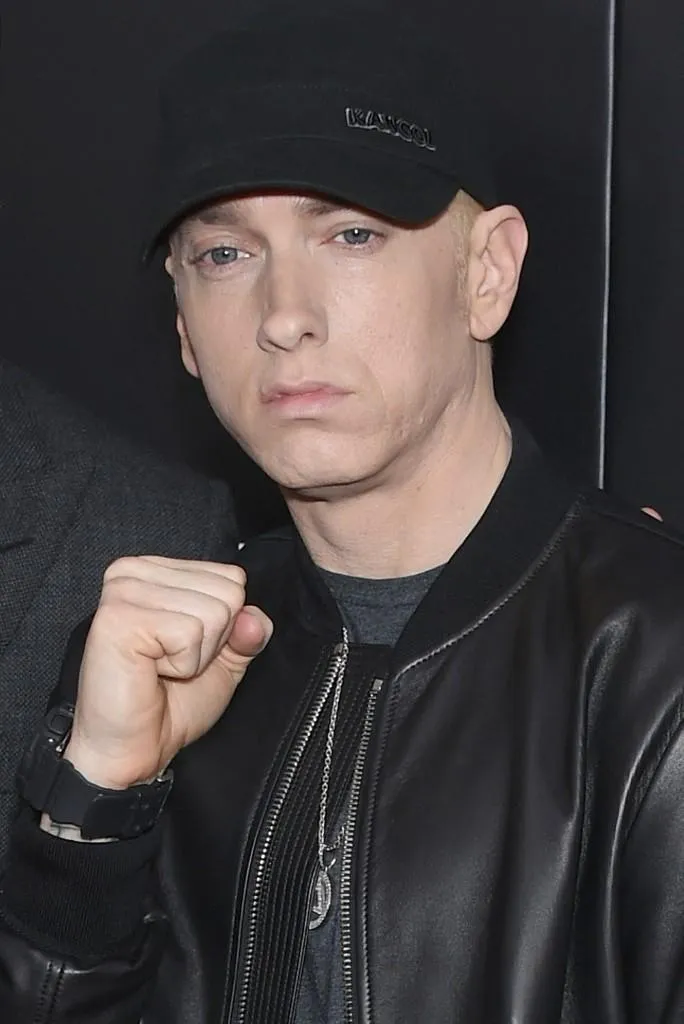
FIGHTING: Rapper Eminem "Slim Shady"
Image: AFP
LOOKS like someone woke up on the wrong side or should it be the Sh-side of the bed, because Eminem is not playing when it comes to his name and his legacy.
The rapper has officially taken legal action against Australian beach brand Swim Shady, filing a petition to cancel its trademark after it was approved by the United States Patent and Trademark Office in September.
While some of us are thinking this is a dramatic celebrity tantrum moment, the reality is that it is a calculated move focused on protecting a well-established brand.
At the centre of it all is his alter ego, Slim Shady, the unfiltered, rebellious persona that helped cement Eminem’s place in pop culture history. “Shady” has grown into a recognised brand connected to his music, merchandise and public identity.
According to the court filing, Eminem argues that Swim Shady’s name poses a clear “likelihood of confusion”, meaning people could easily assume the brand is linked to him, licensed by him or part of his wider empire.
In legal terms, that potential misunderstanding could cause “damage and injury” to his brand, and that’s where the law steps in.
Swim Shady, based in Sydney and selling beach umbrellas, shades, towels, bags and swim shorts, insists it is simply a grassroots company created to protect people from Australia’s brutal sun.
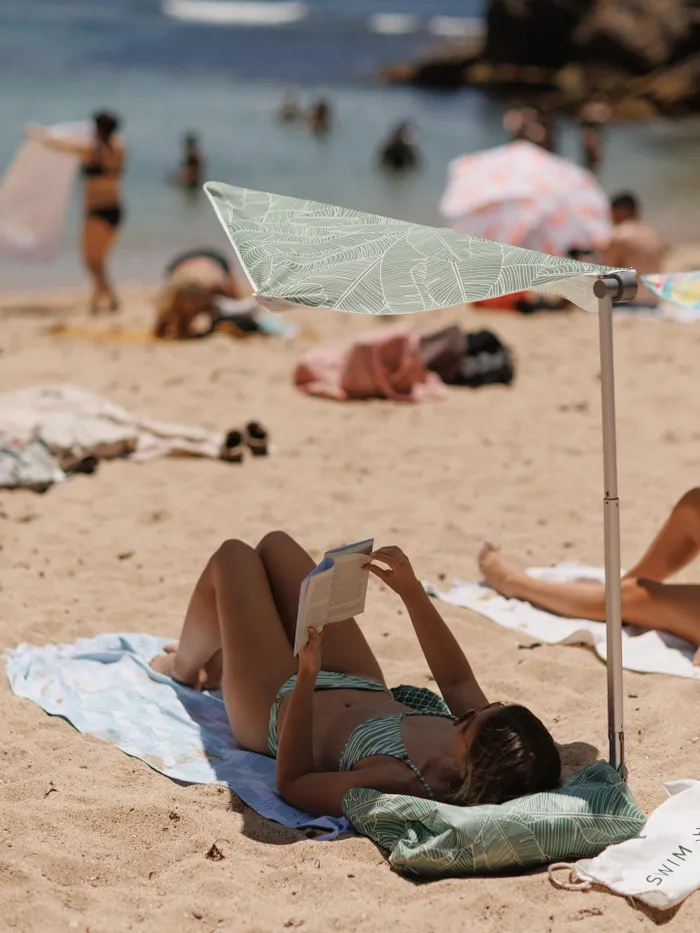
'SHADY': Aussie brand
Image: Swim Shady Facebook
Founders Scott and Elizabeth Afrakoff have made it clear they plan to defend their intellectual property, but have chosen to keep things quiet while the case plays out in court.
Originally, the brand was called “Slim Shade”, but they later rebranded to Swim Shady.
Their website explains that the idea started in the summer of 2021, during a “frustrating” beachside date. They struggled with a clunky old umbrella, so they decided to create something lighter, more practical, which became "Swim Shady".
So the question is: can Eminem actually do this when the brand isn’t using his exact name? Surprisingly to some, the answer is yes. Trademark law doesn’t require an exact copy for an action to be valid.